
Why I ditched my session recap for these three simple sentences
Curse of Sigil - notes from session two.
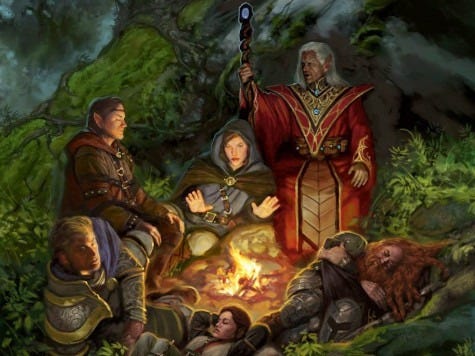
For nearly four years, I began every game with the same immortal phrase: “when last we met our heroes.”
I would then launch into a recap of our campaign, packed with details and useful information that players would need for the session.
It was also my least favourite part of playing D&D.
It was not just the fact that writing the recap felt like a chore, I was never convinced it achieved the job it was meant to. Players would ask me to clarify the information presented, or I would leave out details that I considered unnecessary, but the party would still want to return to.
I don't believe that my recaps were bad, or that my players were unengaged, I think the truth is much simpler:
Recaps are too complicated.
The average ttrpg campaign is not an epic fairytale with simple plot points, it's a fantasy soap opera.
Multiple main characters share the narrative, each with their own complex plot line including a huge supporting cast spread across multiple locations. DMs are caught in an impossible trap trying to recap the entire story so far: include too little information and everyone is confused, include too much and everyone loses interest before the session has begun.
For my new campaign I wanted to try something completely different.
I was inspired by Nate Whittington and his article on the fallacy of taking notes.
In brief, he suggests accepting the reality that some details will get lost over time and we should instead focus on simpler, more impactful story beats that are easier to remember. It occurred to me that perhaps the recap should also embrace this philosophy.
For inspiration, I turned to a format from a completely different medium I am very familiar:
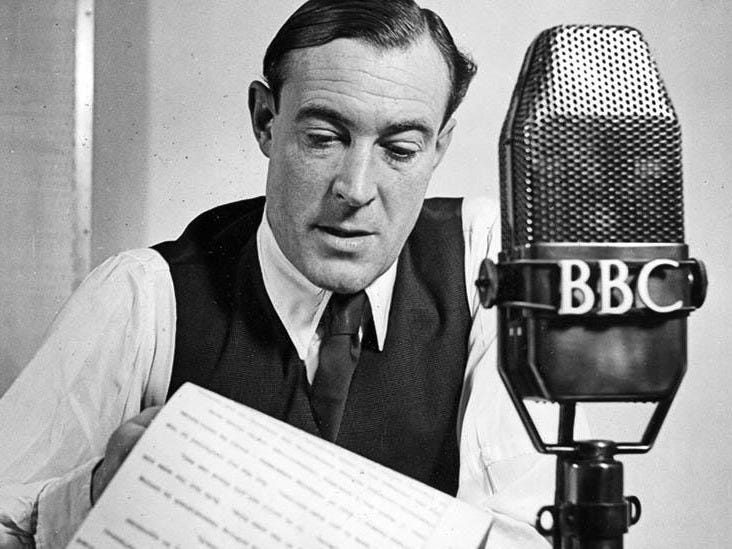
The radio bulletin.
Turn on any radio station at the top of the hour and you will hear an expert in delivering complex and important stories in digestible chunks. The very best can do it in just three lines:
The headline.
The context.
The link.
Here’s an imaginary, but familiar, example:
A politician made an important announcement today.
They explained it would help them reach their wider goals that must be completed by the end of the year.
In a statement, their supporters told us why it's a fantastic idea.
Now let's deconstruct what's happening:
The Headline:
We grab the audience's attention with a simple statement that summarises the story, focusing on the most interesting and important elements.
In our games this will probably be the current focus of the story, or a reminder of last session's cliffhanger. It should feel exciting, immediate and current.
The context:
Here is where we put flesh on the story. We include details that explain how and why we got here, or key people that are also involved. To steal from a meme, if the headline is where you grab your player’s interest, this is where you earn their attention.
The link:
In this line, a newsreader would either link to a relevant audio clip, or leave the audience with a little jeopardy that suggests there may be more to come.
In our games we thrust the players into the action, using this line to transition from recap to play.
It's important to remember that across all three lines, every word has to earn its place. Each sentence should be short, impactful and crammed full of information. It should introduce key ideas and names that trigger memories for your players, without wasting time with too much detail.
So that's the theory, let's see a real example.
Below is the recap I have just written for my next session.
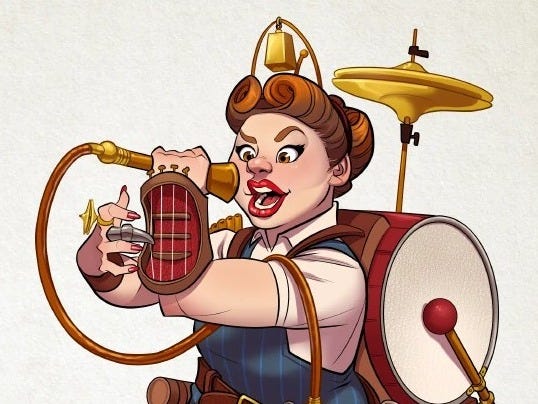
I have decided to recreate a fantasy radio bulletin with an irreverent style that fits the tone of my new campaign, but of course you don’t have to. I’m imagining the newsreader as an iconic Planescape character (you might guess who if you know the setting), but the same rules would apply to any style or voice:
Hope you don't like living berks! An army of fish-men are coming to kill you all.
Your group of survivors from Sigil thought you had escaped to safety in Barovia, and started making friends with Madame Eva and the Vistani.
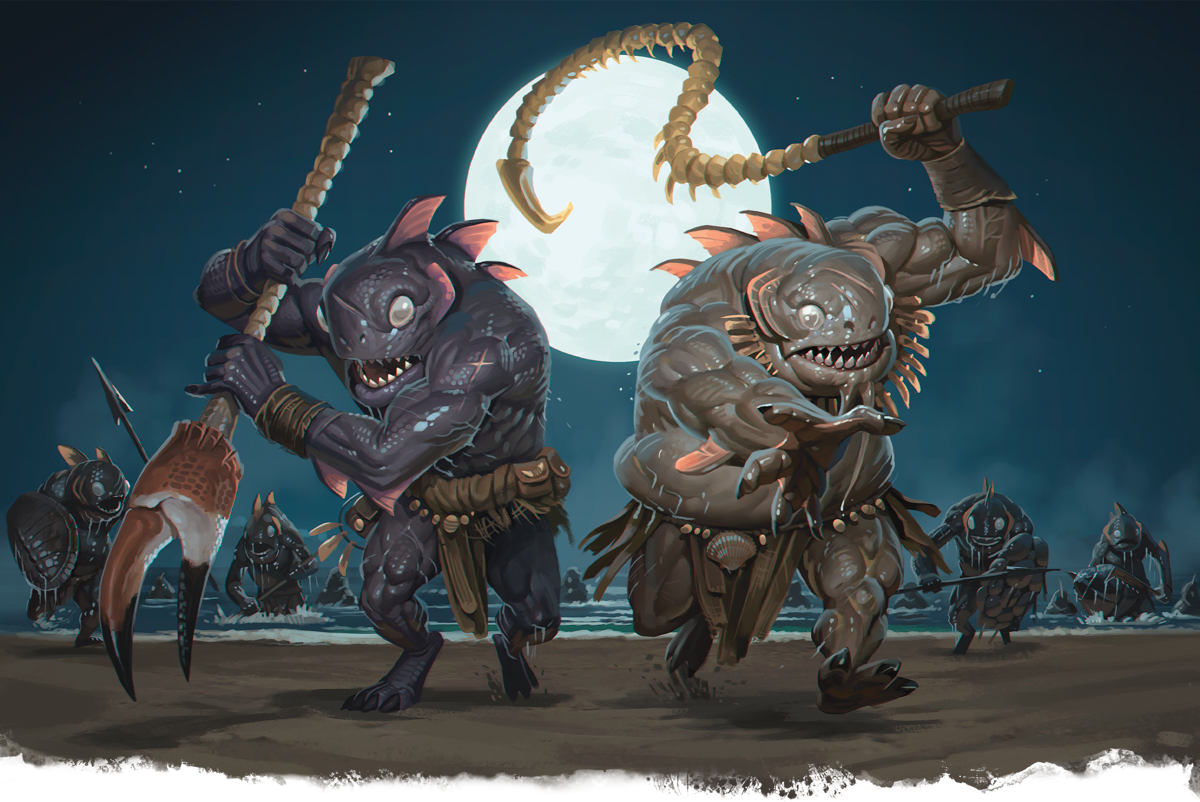
But Barovia has problems too - including the arrival of Iron Shadow worshiping Kua-toa and now you need to hold them back until dawn if you want to survive, find answers, or even stand a chance of getting home.
Why is this better?
Time and effort - this took me five minutes of fun to write instead of 30 minutes of pain.
For my players it's a surprising way into the game, it launches them into play instead of giving them an opportunity to settle into DM story time before any real action occurs.
It recaps key ideas without wasting time. If my players ask me for more information it becomes part of play, if they have no idea what these key plot points are, I know my ideas aren't landing with them and I need to consider why that is.
If you enjoy a writing challenge, why not write your own three line recap for your next session in the comments?
I'd love to hear about your fantasy soap opera out of context and I'll happily share a few thoughts on how to embrace this style.
Of course you and your players might love a chunky recap and that's fantastic too. But next time you are short on time and debating how to summarise the last 50 sessions in a handful of paragraphs, perhaps give this a go. You might be surprised by how effective it can be.
I have been with mostly the same RPG group for over 15 years, and for most of that time we have left the recap responsibility with one of the players, not the GM. I was the first one tapped on the shoulder to do that, and I resented it, so I rebelled by intentionally writing the session notes and related recap from my character's point of view, belittling the contributions of every other character and blowing my own character's contributions out of all proportions. This backfired on me because everyone LOVED IT and thought it was completely hilarious. I could only get out of doing the notes and session recaps by becoming the GM and forcing someone else to do the job.
TLDR - put a player in charge of the session recaps, it might be (unintentionally) the funniest part of the entire session
You do your players too much kindness. If my players came wearing their Simple Idjit hats, they were probably going to die 🤣