
Who is Daggerheart for?
My elevator pitch for the hit game
Put down your D20 and grab your duality dice - we’re playing Daggerheart.
There’s no doubt that the game from Critical Role has made waves across the community but today, I’m not interested in the hype.
I want to know what makes this game unique: after you swap your dice set, what makes it stand out from the crowd?
Fortunately, I think I have the answer.
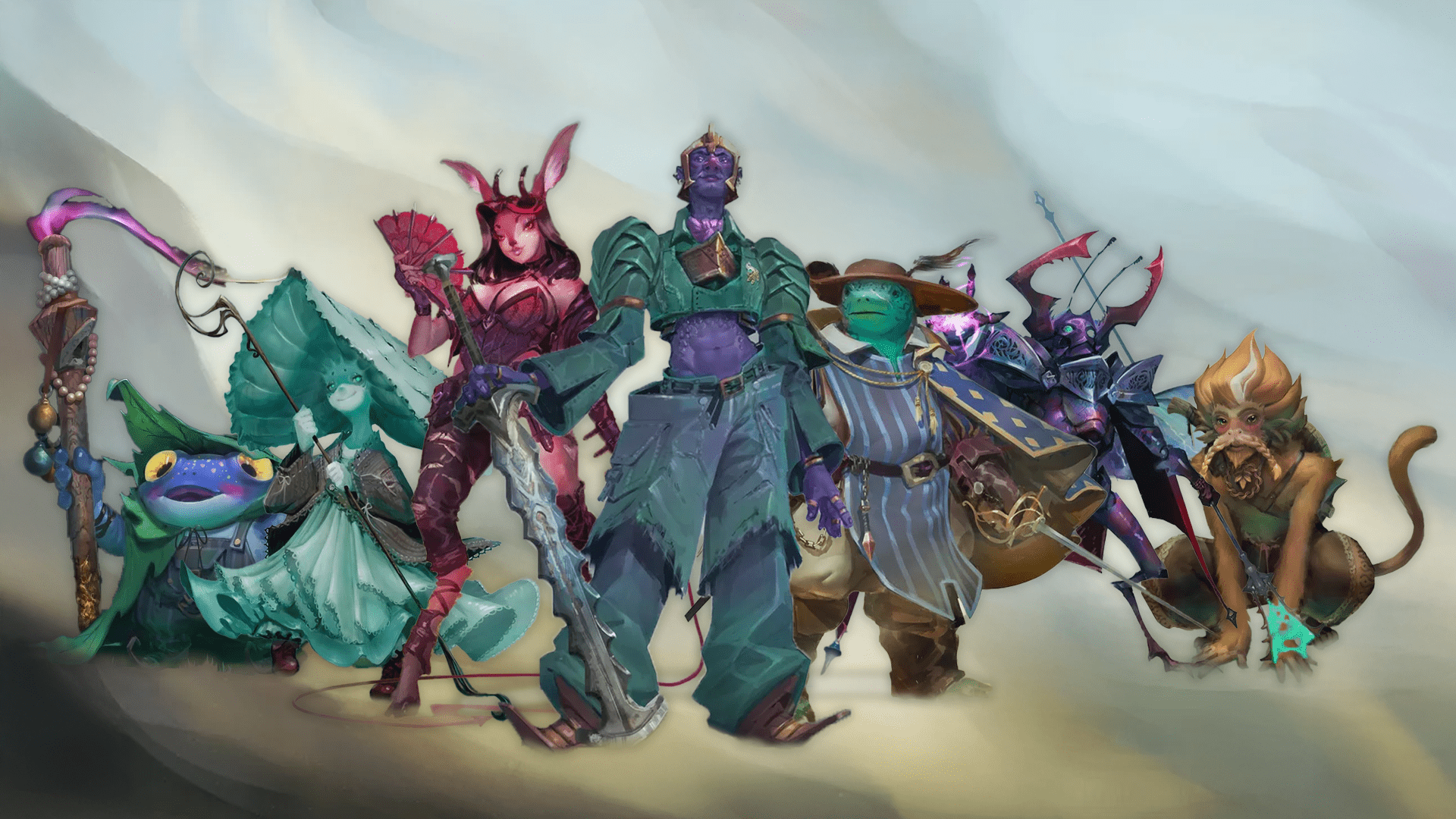
Later this month, I’m running Daggerheart for the first time. (If you live nearby, you’d be welcome to come and play.)
But to give my players a flavour of the game, I need to understand which ingredients to highlight.
The games’ website says (abridged by me):
[An] epic TTRPG, Daggerheart blends tactical depth with narrative freedom, where GMs and players share in narrative worldbuilding, with streamlined rules, and story-first mechanics.
Which sounds fantastic, but I suspect many games would make similar claims.
So here is my elevator pitch: Daggerheart is like playing in a blockbuster movie.
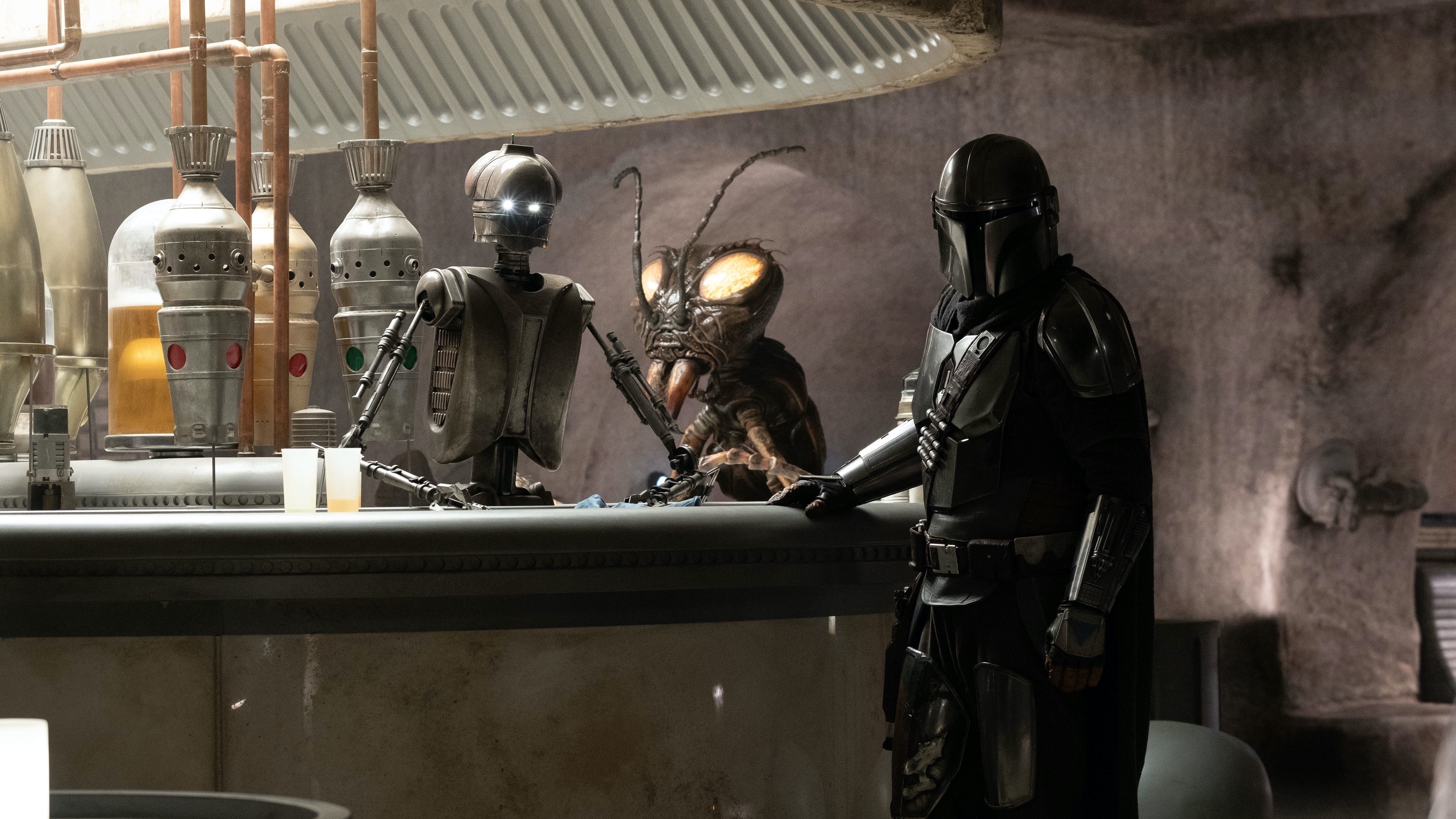
Take currency: instead of tracking coins, you simply have a “handful of gold”, with 10 handfuls making a “bag”, and 10 bags making a “chest”.
I’ve heard players mock this vagueness, but in a blockbuster the barkeeper doesn’t wait as the hero counts out their coins, they simply toss a handful of gold onto the bar and everything is paid for.
That’s the feeling Daggerheart is trying to create: don’t sweat the details, just tell the story.
Perhaps a more telling example is combat and death.
A few weeks ago I wrote about the slightly crunchy armour and damage system, but since writing that stack I’ve realised it does also protect players from instant death.
Even if the game’s most fearsome, tier four adversary dealt a critical hit on a first level wizard - they would only lose 3 hit points and keep fighting. You can also “choose” to live if you want to.
However, if you choose to let your character die they can do so in an epic blaze of glory as they go down fighting.
The list goes on. There are no travel mechanics or random encounter tables, because the GM decides if anything interesting needs to happen on the journey. There’s no initiative order, because you only act when you have something interesting to do.
This is blockbuster gaming: tell a great story, create spectacular moments and swerve around the occasional plot holes.
If your favourite flavour of gaming includes counting arrows and encumbrance, this will sound like tabletop hell - and that’s fair enough.
But if you like a game that puts the narrative above all else, then Daggerheart might be right for you.
Have you played Daggerheart - do you agree with my assessment? Let me know in the comments:
Don’t miss this:

Earlier this year I marked the 10th Anniversary of High Rollers, one of my favourite actual play shows.
There’s about a week left for their first Kickstarter, a very cool campaign guide which you might enjoy.
As a solo rpg player, the narrative first sounds amazing at first glance…but having no tables for travel and the like is not solo friendly. Still really interested to read Daggerheart.
It’s definitely interesting.
This is where I’m going with my storytelling for Tales from Trinity City and Myths from Mystamyra.
There’s onions upon onions that the more you dig, the more you start to see the real threats that you have to deal with.